


It’s never been this bad. Our country just voluntarily voted for a fascist, misogynistic, white supremacist, con-artist.
This moment marks a new low — a stark, collective descent into authoritarianism.
So yea, it seems really, really bad. Bad in a new way.
And yet, are things really that different?
Since this country’s inception, white men have sought to consolidate power and hoard resources, justifying their oppressive behaviors with false narratives like manifest destiny, the myth of meritocracy, and pseudoscientific lies. They continue to do this today, only now it feels more insipid and dangerous than ever.
From the beginning, marginalized peoples and their allies have organized, protested, and worked to build a more just, inclusive, and democratic government and society. This work also continues today, yet our hard-won victories also feel more at risk.
Much of the right nationalists victories have come through well-executed cons, peddling disinformation campaigns on social media, further distorting reality. This is unsurprising, as lying has always been a tool of the powerful. And, while things may seem especially dire, when we pull back the curtain, we see that the lies themselves aren’t even that new.
One of the current post-election, false narratives goes like this: “Race is no longer relevant, and Trump has consolidated a multi-racial coalition among working class white people and people of color. You all on the left who thought race mattered have been proven wrong.”
While it is true that many working class white men and women without college educations, as well as many working class, men of color voted in substantial sums for Trump, a “post-racial coalition” is a grossly inaccurate description of the dynamic. Wealthy white men still hold the power in this country—now even more so—and it’s still predominantly working class women of color, who did not vote for Trump, being erased by this “coalition” narrative. Race and gender still clearly matter because it is white men who hold monopolies on decision making rights, and who benefit from fiscal policy, while women of color are forgotten and excluded from the narrative, despite their extraordinary work voting and leading this country in the direction of justice. Same old power structures, same old smoke screens.
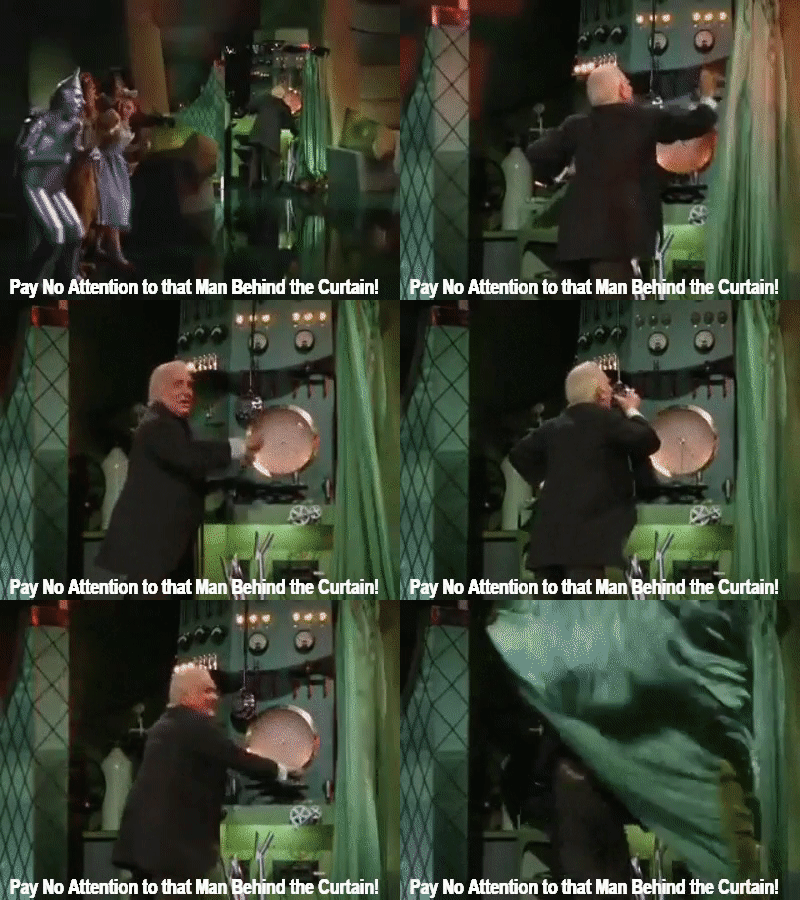
Nothing to see here…just another white guy with a megaphone and a script, rewriting history to stay on top!
Whiteness: The Oldest Trick in the Book
Poor white men have, since our country’s inception, been sold a snake oil* deal: “Abandon your shared economic interests and collective resistance efforts with people of color, and we will give you just enough access to better jobs and neighborhoods to elevate you just slightly above them in the social hierarchy. In fact, we’ll let you believe that you too could be rich like us some day if you play along and support our policies.” Poor white men have been on the losing side of this deal since the 1500s.
White women have been sold a tailored version of the same deal: “If you choose a supportive ‘traditional’ gender role that allows white men to lead while you stay at home, you will by association have more access to economic resources and stability.” In large sums, white women from across the class spectrum have traded in the possibility of personal and economic autonomy for the illusion of security, not by climbing the ladder themselves, but by holding it up for their husbands to climb. Policies threatening reproductive freedom further push women into these more dependent, “traditional” roles. Sure, there have been gains in social acceptance of working women, but how much have white women really let go of the “supportive mom and wife” narrative? (These ideals even seem to be growing in favor among young women, given the growing internet trend of the “Trad Wife” lifestyle). How much have we traded in our economic security when we could have been more actively aligning with the needs and interests of women of color, instead falling prey to a system that only deepens our vulnerability in the long run.

* The term “snake oil ” has racist roots. In the 1800s, Chinese railroad workers brought a traditional medicine made from Chinese river snake oil, rich in omega-3s and commonly used to treat inflammation. This medicine was appropriated by white salesman Clark Stanley, who created an ineffective imitation, erasing its cultural and medicinal roots for profit. The terms “snake oil” and “snake oil salesman” have since become synonymous with fraud. I use the phrase to highlight its origins and recognize that these deceptive tactics persist among the powerful today. | NPR, “A History of Snake Oil Salesmen,” Code Switch, August 2013
Now, working class immigrants, Latino men, and Black men are being fed the same lie. Like the poor white men before them, many are making the choice to trade in their true shared economic interests with other, slightly more vulnerable immigrants and people of color. Instead, they opt for the chance to live marginally better than their peers, and cling to a promise — fulfilled just often enough to seem legitimate — that they too might become rich one day. Which of course, doesn’t come to pass in any truly universal way. That’s where the myth of meritocracy comes in handy. Those who do “make it,” do so because they worked hard and were creative and resourceful. “If you aren’t rich yet, you just have to try harder.” But this ‘meritocracy’ is just another bottle of snake oil—sold with the promise that if you work hard enough, you too will climb the ladder of success. If that lie doesn’t work, try this one — “if you aren’t rich yet, it’s because ‘the woke left’ keeps giving away jobs and benefits to immigrants and poor people.” These lies either make you feel that a) all you need to do to be better than “lazy” people who don’t have what it takes to succeed, or b) you are entitled to a success that has been stolen from you, the truly deserving one. Either lie breeds a sense of superiority, which seems to be rather addicting to the human spirit.
Interconnected Struggle
As a white, middle class woman, living in the very blue Bay Area, who’s devoted my entire career to social and racial justice, it’s tempting to fall into “exceptionalism” — to see myself and my community as “outside” the dynamics I’ve just described. It’s easy to be angry at people who voted against their interests, at Democrats for failing to debunk the lies more effectively, and defensive against claims that the left is “too elitist”.
But, one of the most important things I’ve learned about allyship is that showing up for the vulnerable and marginalized also requires interrogating my own complicity with the lies that have shaped our collective consciousness since our country’s founding and remain disturbingly effective and consequential to this day.
Given all my privileged identities and positionality, I need to ask myself some hard questions. Questions about the role I too have played in upholding these systems, rooted in the lies of whiteness, over building true, multiracial, cross-class coalitions:
How much is my own economic security tied to making concessions with powerful white men? I am proud of the choice to work part time and also stay home with my children, but it was really, really hard to make ends meet and keep a career going. I was told a lie that strong, resourceful, and caring women did that. How much did I swallow that lie, and endure that stress alone, rather than demanding more support from the system? How can I look at how Black women are leading, organizing, and struggling — and in some ways triumphing — and not ask “How can I help?” but rather “How is their experience more similar to mine than I initially realize?” How are all our struggles interconnected?

That last question seems to be the key one most of us in the vast “middle” of our country’s economy and society have overlooked. When given the choice between elevating myself above someone more vulnerable or joining with them, how can I see the similarities in my struggle and their struggle? How can I see how deeply connected my power is with their power? What greater possibilities might emerge if I accept my own insecurities, fears, vulnerabilities, and needs as real?
The systems of power and lies we are up against are long established and deeply entrenched in our collective psyche. But that doesn’t mean we are powerless. Imagine what it would feel like to finally admit the ways in which we all need help, and need one other? That in admitting this, we can actually tap into so much more power by refusing to play along or buy into the sales pitch? To recognize that embracing the deep truths of this country will finally allow us to step off the established status ladder and create new just and equitable paths.